Yes, Jesus is a beloved holy man, bless his heart
,_03.jpg)
“Crucifixion with Mourners, 1450–55” (2022 exhibitions) | Photography, Francesco Bini | Sculptors, Niccolò Baroncelli & Domenico di Paris
Abrahamic faiths can agree on one fact: there was a man named Jesus who was born in Bethlehem of Judea (today’s West Bank, aka Palestine).
In 2019, Jia Tolentino published “Trick Mirror: Reflections on Self-Delusion”. The collection of essays describes a childhood shaped by a version of Christianity I’ve never experienced, though I recognized it immediately.
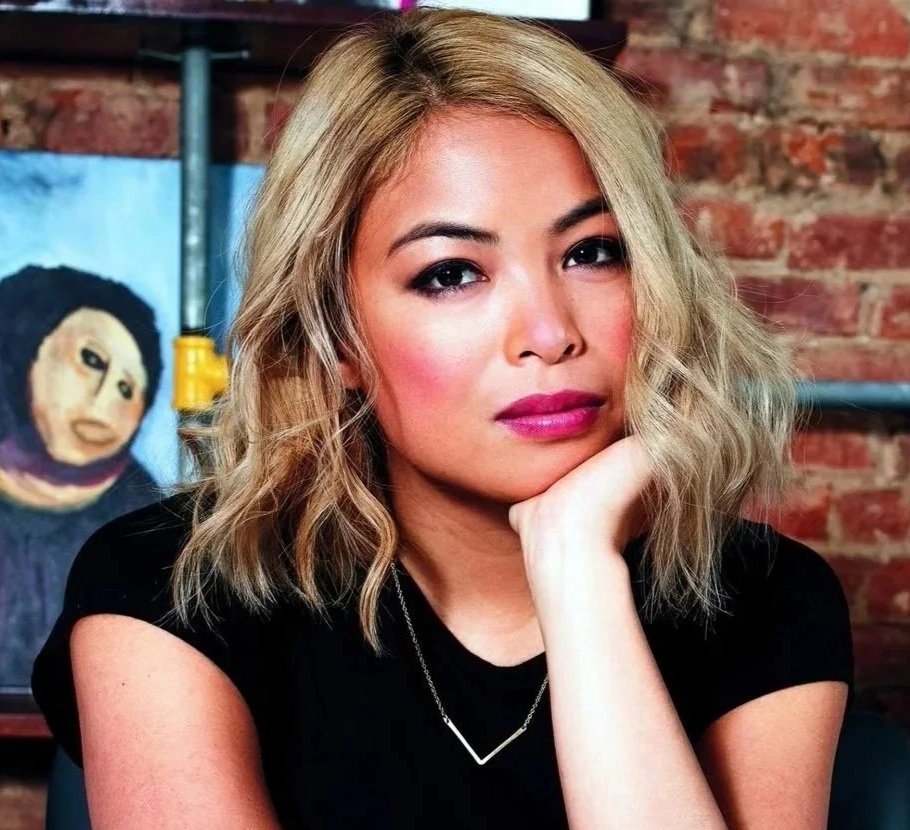
Jia Tolentino
Photographer, Elena Mudd
Yet, as a pro-choice feminist who lives under the thumb of white supremacy and patriarchy, why would I reconcile my desire for equality and freedom with a faith that has historically and canonically described my existence as sinful and secondary to men and whiteness?
Tolentino only realized “it was the church that seemed to corrupt” her into living in the dichotomy of holiness and worldliness. Similarly, Christianity influenced Sub-Saharan Africa from the moment missionaries sought to “save” us. However, establishing a pretext for Africa’s colonization underpinned their evangelism.
Prelude to my apostasy—abandonment and/or renunciation of Christianity
I went to schools where parents believed Disney Channel or magic-related programming was sinful. For extra credit, I read the Pentateuch and the Gospel at my Catholic school. I summarized each chapter and provided commentary on what I discerned. I know the Catholic catechism and the Bible intimately.
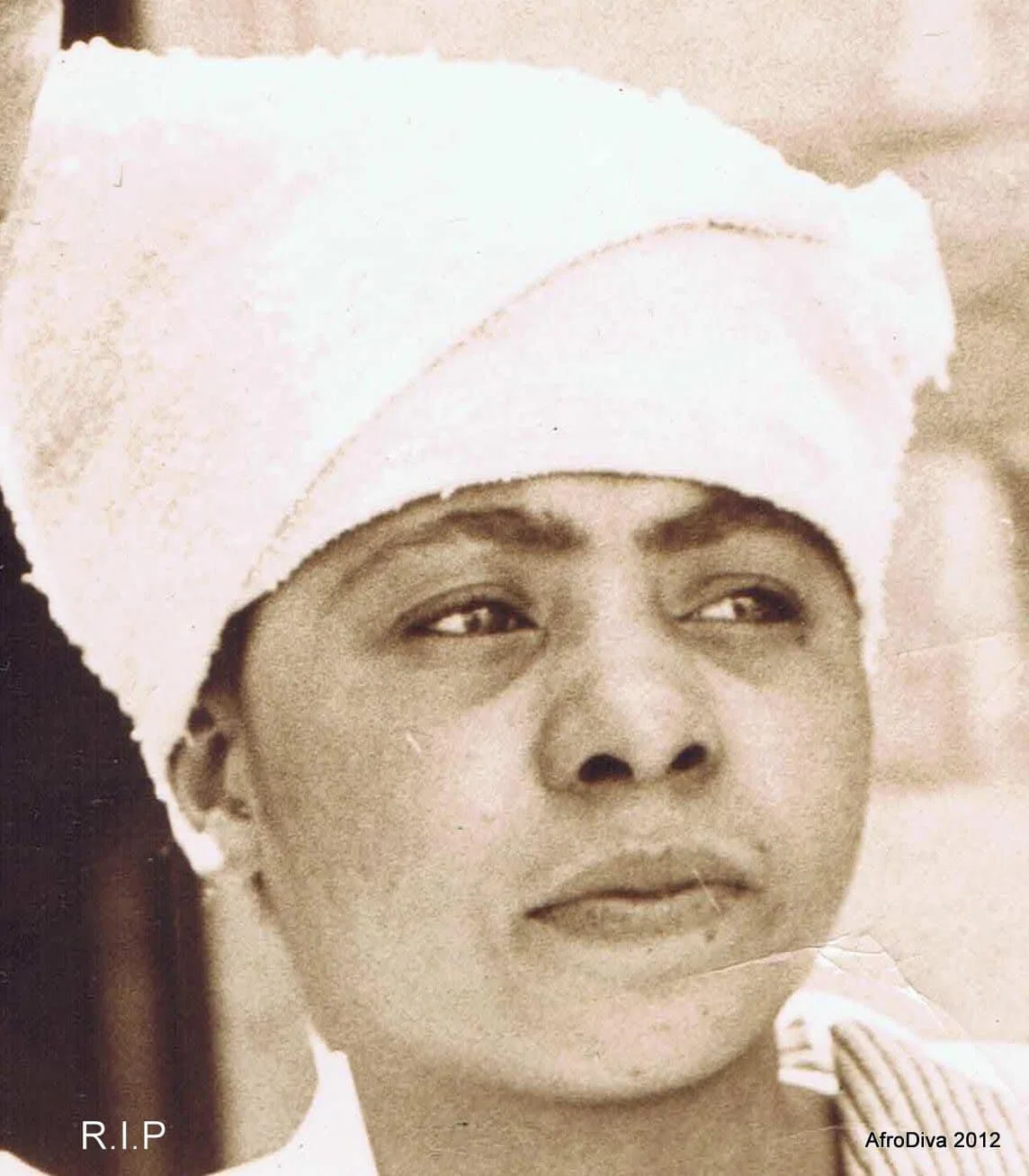
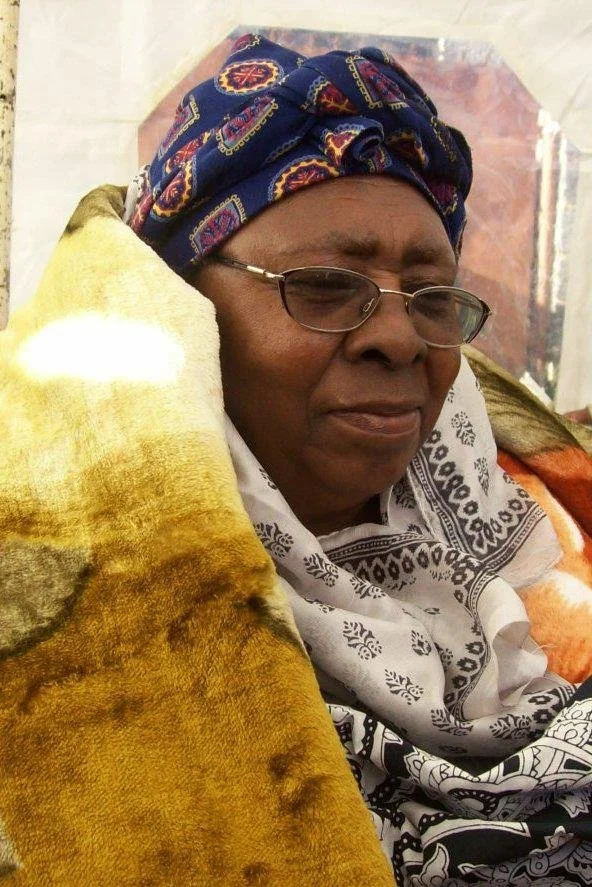
I formally divorced myself from Christianity in September 2011 after the death of my grandmother, my anchor to South Africa, one of the great loves of my life, Thandi Maude Makwakwa.
In White City, Soweto, South Africa, at her St Paul’s Anglican Church (JHB) funeral proceedings, I read her obituary at St. Paul's Anglican Church, watched her body lowered into the ground at Avalon Cemetery, sprinkled soil into her final resting place, and participated in the “after tears” (a celebratory social gathering for the dearly departed).
That day, returned to my Pretoria boarding school, St Mary’s Diocesan School for Girls, bereft with grief and exhausted.
I begged my boarding house mother to let me rest instead of attending that evening’s chapel service. She refused my request, even after I told her how harrowing my attendance would be—how difficult it would be for me to bear another church service.
As I suspected, the service was intolerable—debilitating. One church hymn, whose name and tune I’m happy to have forgotten, was sung. When the choir and congregation reached the song’s crescendo, agony overcame me.
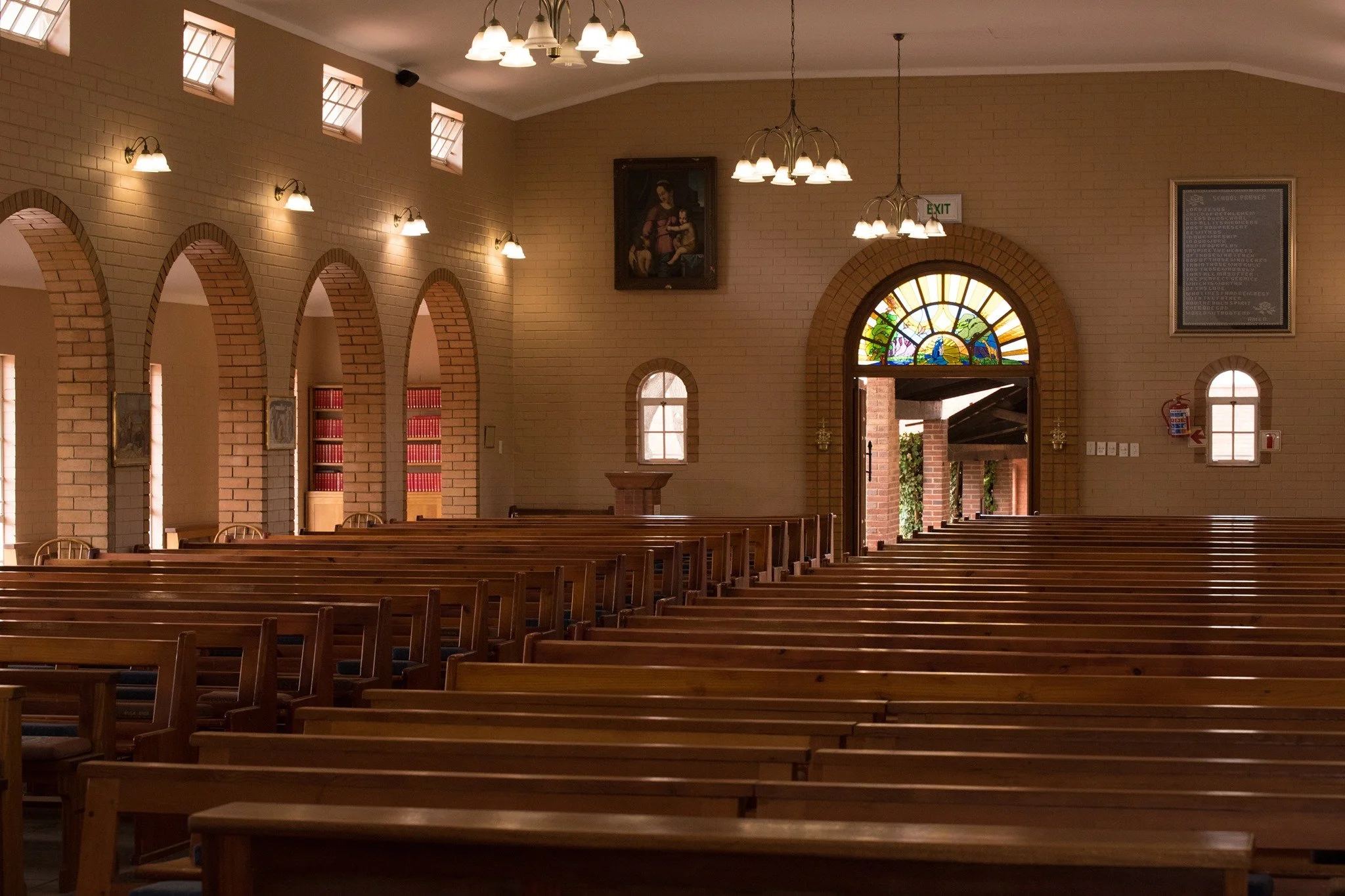
Chapel of St Mary’s Diocesan School for Girls, Pretoria
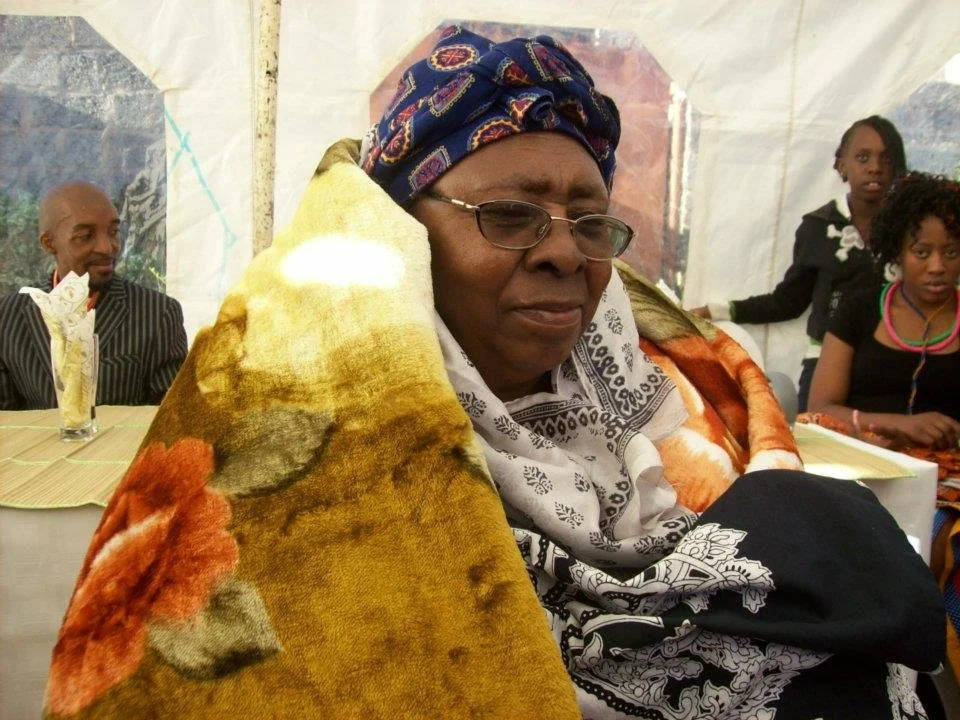
Mawe, Grandmother, Thandi Maude Makwakwa
I was weeping, heaving, puffy-eyed, having fallen to my knees and howling like a wounded animal in “the house of the Lord”. The rationale for denying my request? Purportedly, my presence in that house, at that service, would bring me peace—would soothe and uplift my spirits.
No such peace was found. All I felt was heartache and anger over my loss and Christian believers putting beliefs above my well-being.
My years-long irreconcilable differences with Christianity
The cognitive dissonance and sense of moral authority among Christian evangelists were frustrating to endure.
Years before my grandmother passed, not only did I have conflicting beliefs with the Christian faith, but I often faced evangelization efforts without being able to outright express dissent or discomfort.
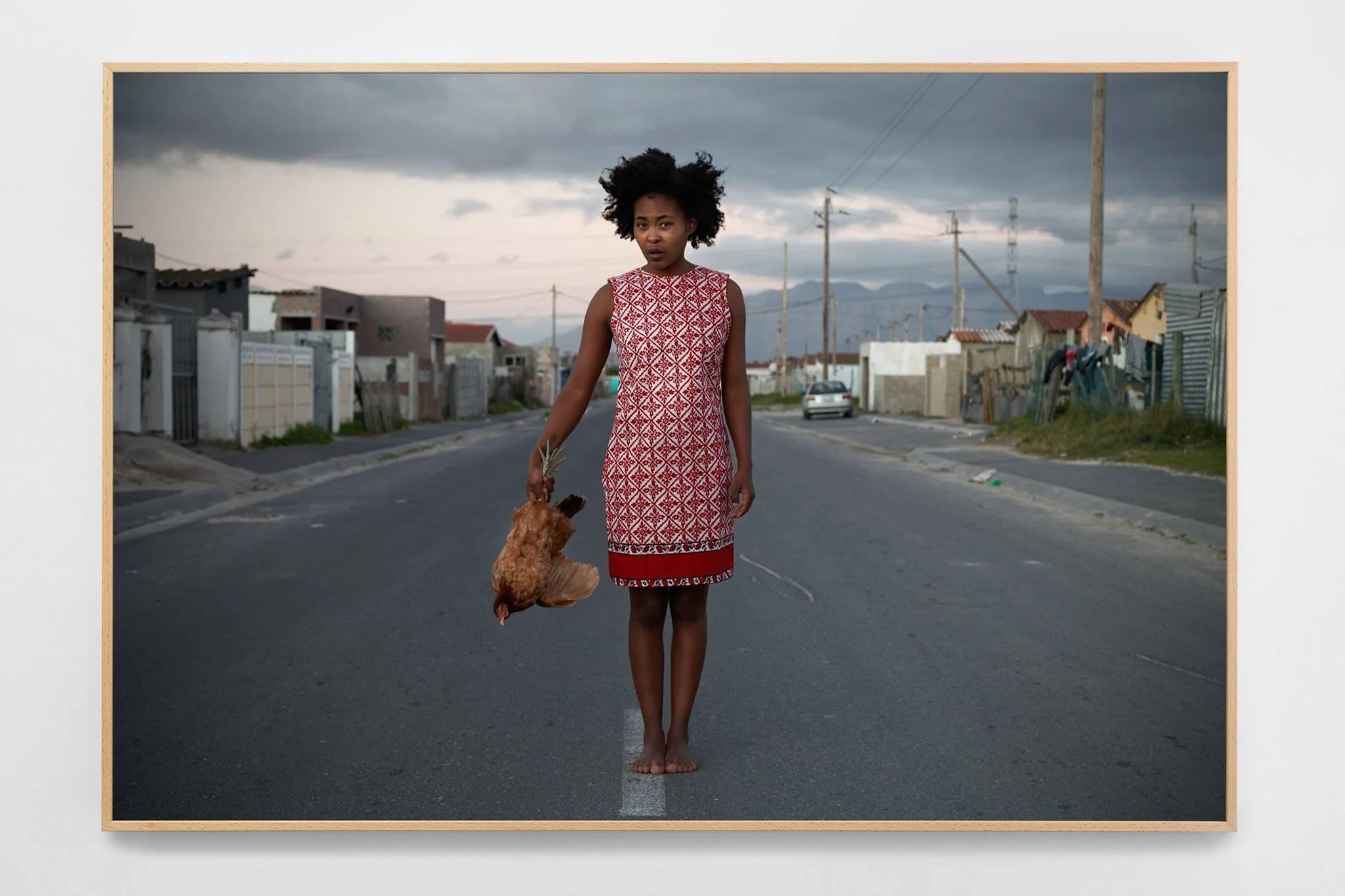
© Buhlebezwe Siwani, Isana libuyele kunina, 2015, C-print on cotton paper, 112 × 74 cm, Image: Courtesy of the artist and Madragoa, Lisbon
South African ethnic groups, much like many African nations, pre-colonization and evangelism prioritized reverence to ancestors, various higher powers, and an overall spirituality that Christianity deems sacrilegious.
Tolentino references Simone Weil, who wrote, “It is because we are a contradiction—being creatures—being God and infinitely other than God.” Without knowing this quote, I knew this and decided to break up with the Church.
Finding my maker, my peace, my upliftment—connecting to my soul
Today, I live as a Xhosa, South African-American woman. I’m less concerned with understanding the meaning or identity of any faith’s highest power. I don’t ruminate on their purported presence or their believers.
Faith is personal. Faith demands a certain level of reverence.
I found my higher power on dancefloors, beaches, and in the mountains. My personal philosophies, world views, pre-colonial African spirituality, and the Xhosa nation inform my beliefs—this is my faith.
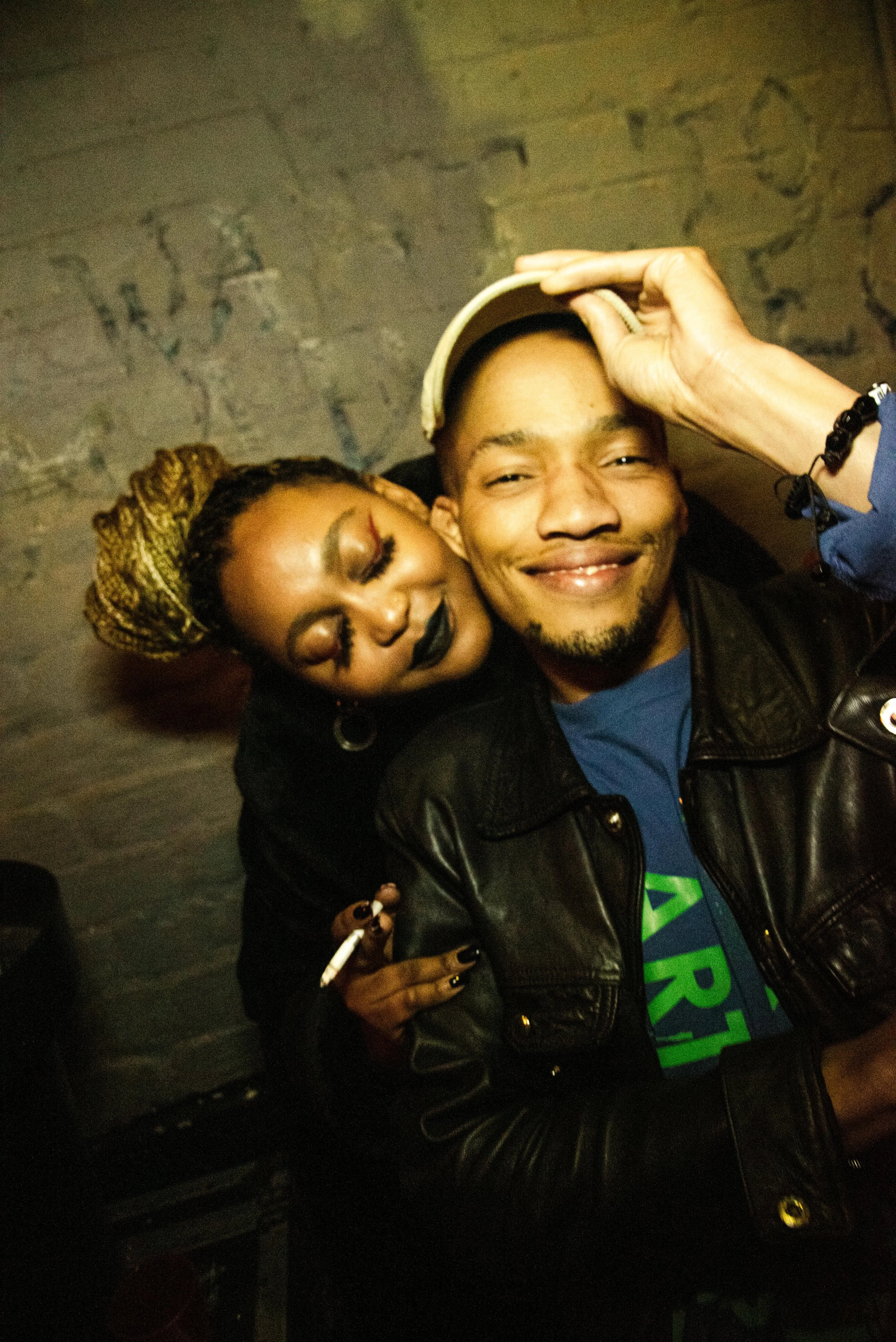
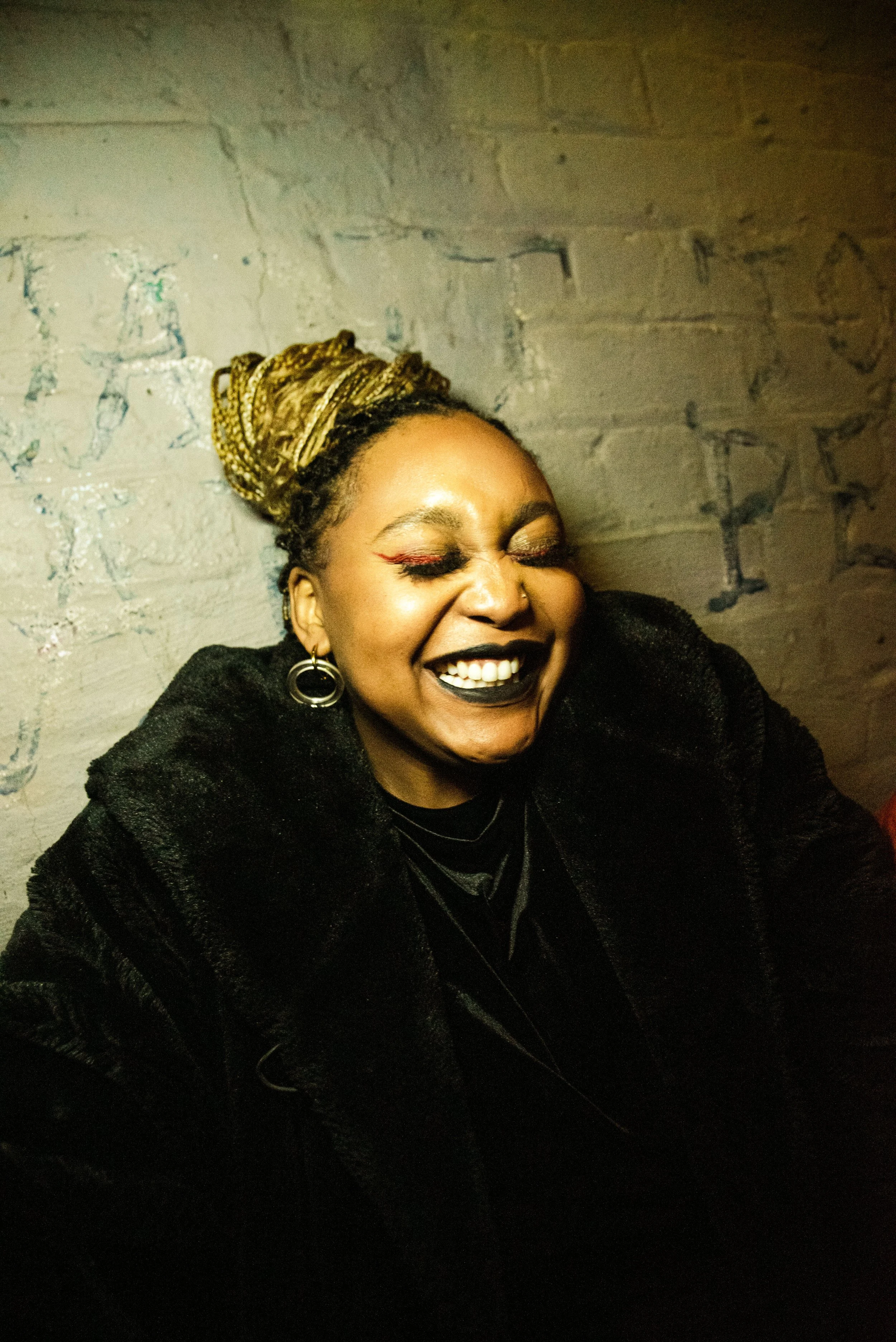
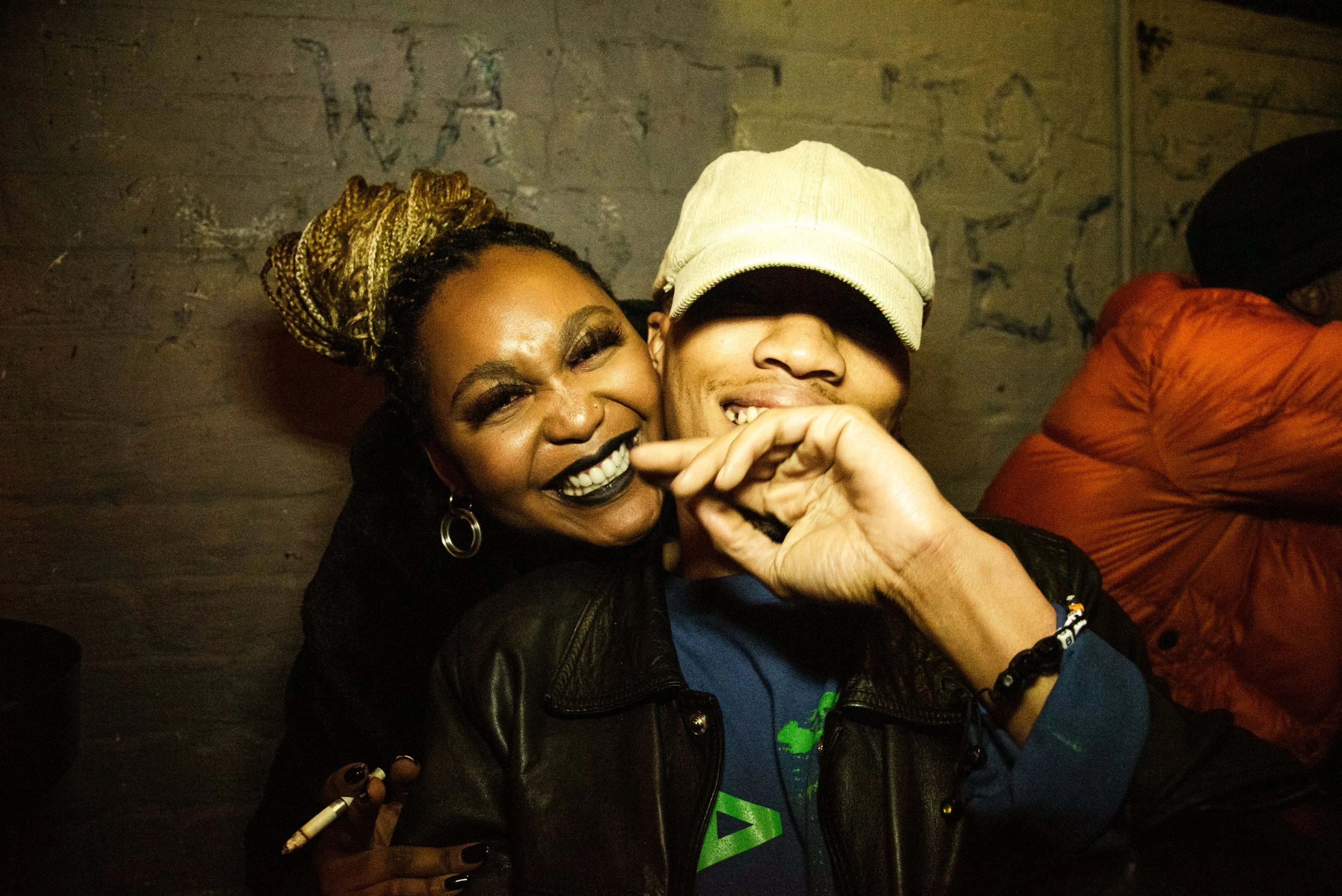
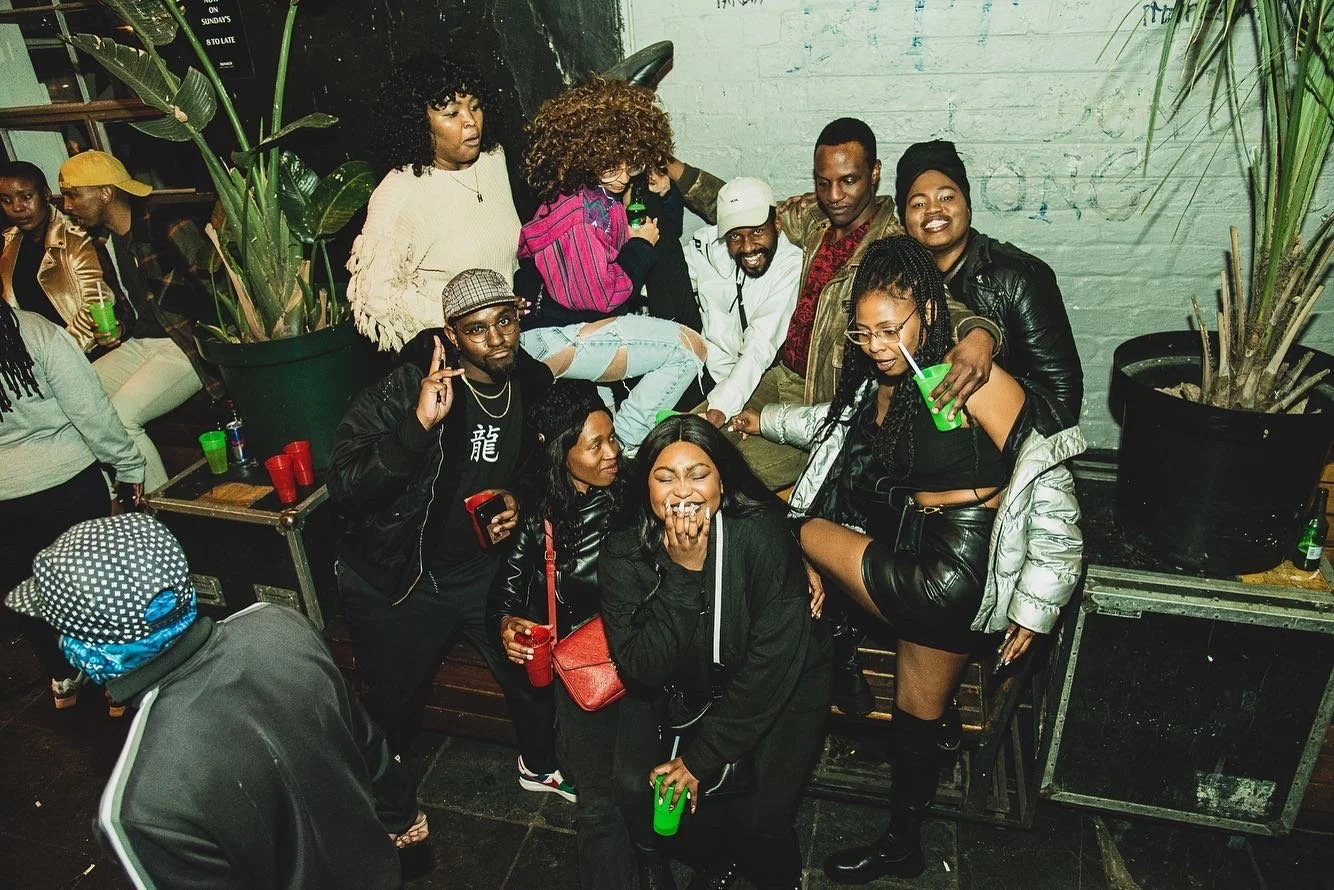
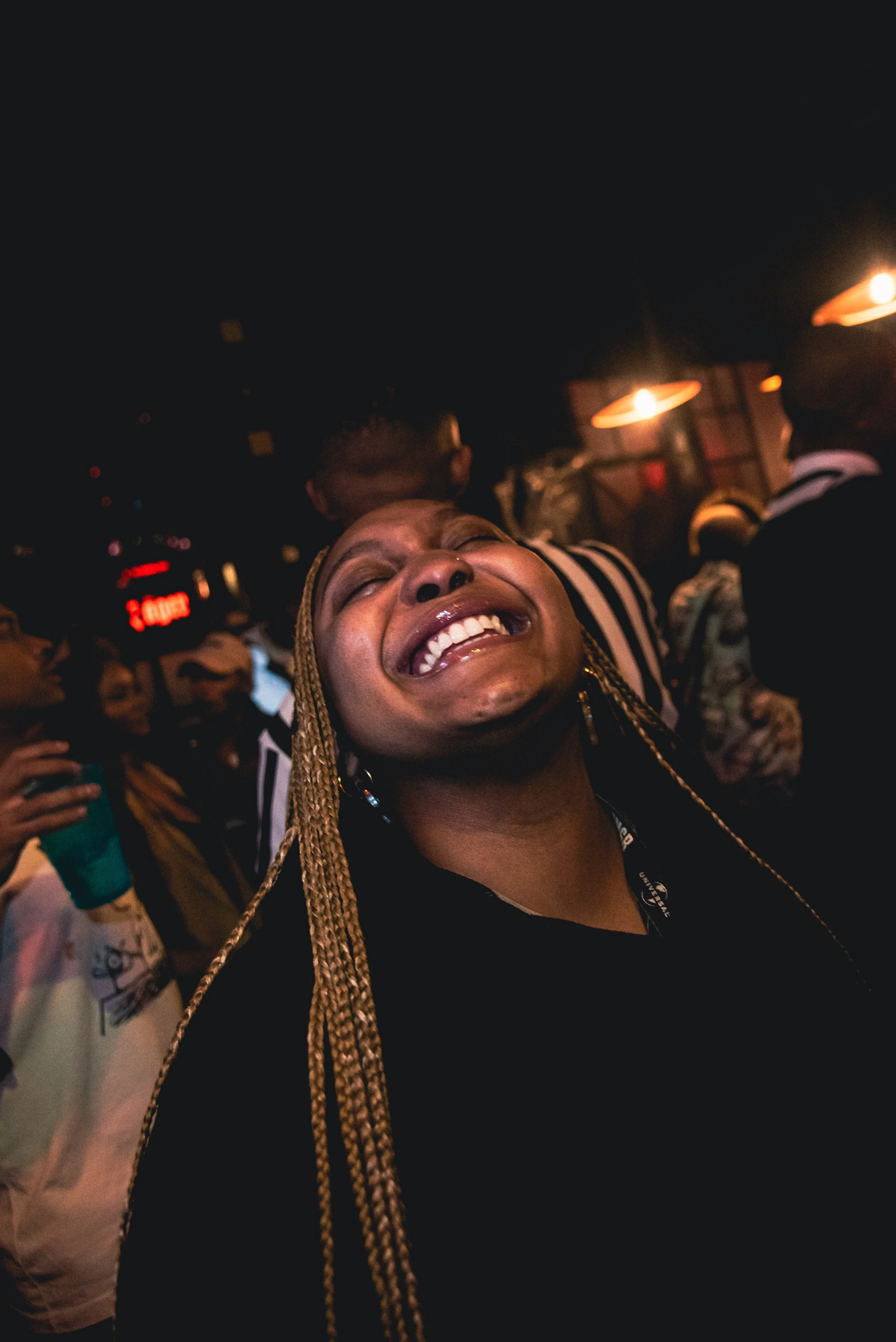
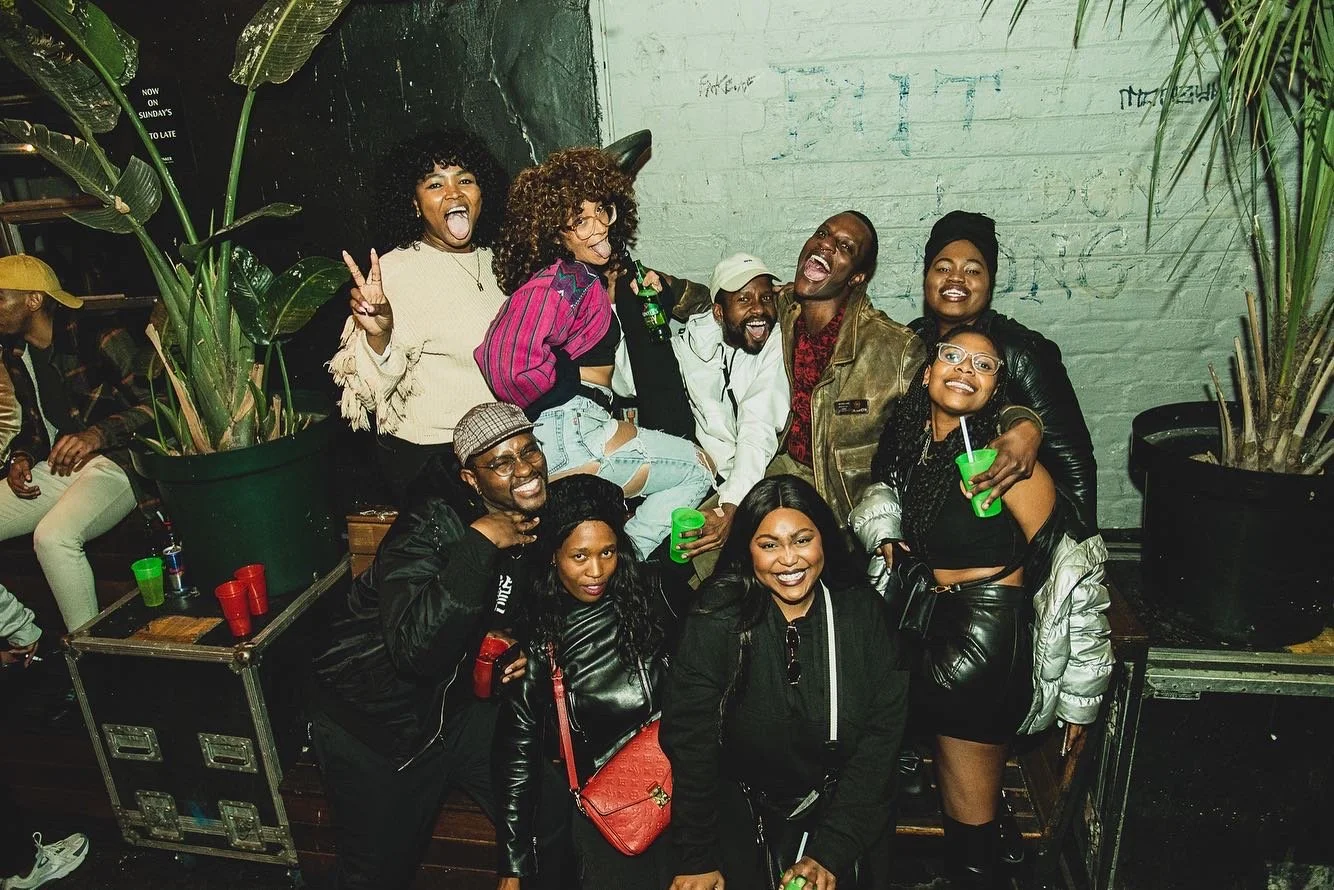
My faith can be found in an underground Johannesburg nightclub and after-hours spot once known as 3rd Place (now called Club AM). There were artists, actors, singers, producers, writers, and every profession in between; they were my fellow congregants. The gqom, amapiano, and hip-hop played was my gospel. DJs were my preachers, their booth was my altar. Molly was the communion, and the barmen served the blood.
My divorce didn’t mean I stopped attending church services, reluctantly or supportively. While I respect the space and direct my prayers to the being my loved ones believe in, where my personal sentiments are concerned, Jesus was just a gent, bless his heart.